




When check-ins are automated, and progress is tracked instantly, it’s easy to assume technology is what keeps clients engaged. But coaches who retain clients long-term know the truth: Systems may support results, but relationships sustain them.
Retention isn’t built through reminders, dashboards, or perfectly structured programs alone. It’s built through presence, the consistent, human work of listening deeply, showing up fully, and meeting clients where they actually are.
In Part 2 of our End-of-Year Coach Spotlight 2025, we’re highlighting coaches who turn connection into commitment, and commitment into retention, through trust, empathy, and personalized support.
These coaches don’t just deliver programs.
They build relationships that people don’t want to leave.
👉 Part 1: Why programs alone aren’t enough anymore.
👉 Part 3: Why Niche Coaching isn’t limiting. It’s an advantage.
👉 Part 4: Pressure doesn’t test the plan. It tests the coach.
Chase Price: What it really means to coach an athlete
- Business: Casually Ambitious Performance Club
- Niche: Strength, Nutrition & Mindset Coach
For Chase, presence isn’t passive. It’s active, visible, and shared.
He doesn’t coach from the sidelines. He’s in it with his athletes. He races alongside them, sharing the same nerves, fatigue, and commitment. That kind of presence changes the dynamic. Athletes don’t feel managed from a distance; they feel understood by someone who puts skin in the game with them.
“The best plan on paper means nothing unless it’s sustainable for the athlete and allows them to fall in love with the process,” Chase shared. That doesn’t happen through spreadsheets or perfectly written programs. It happens when a coach shows up.

That same mindset showed up when Chase offered six months of free coaching to one of his athletes, Allison. During that time, she completed her first 50-mile race, proving to herself what she was capable of and becoming a core member of his running community. The relationship didn’t convert because of a sales pitch. It grew because of trust, shared effort, and consistent support.
Chase’s coaching also stands out in what he doesn’t chase. He prioritizes consistency over intensity. He prefers fewer, well-planned sessions executed with intention, not perfect weeks or max effort every time. This approach gives athletes permission to let go of all-or-nothing thinking. The breakthrough comes when athletes accept that progress isn’t linear and flexibility allows momentum to return.
Scott Young: Breaking the mental limits first
- Business: Young Lifestyle
- Niche: ISSA Master Trainer. Level 2 CrossFit Coach
For Scott, the hardest part of coaching isn’t programming. It’s the moment a client says, “I can’t.” Not because they physically can’t, but because the mindset is already locked in.
He hears it all the time: clients who think they aren’t strong, feel embarrassed, or believe certain movements are off-limits forever. Scott doesn’t overwhelm them with science or random facts. Instead, he stays close, patient, and helps reframe their mindset.
A client who was 6’6″ told Scott he could never squat due to 2 knee replacements. Scott didn’t argue. He asked a few simple questions: Do you use the toilet every day? Do you need help or an assistive device to sit down and stand up? The client said no. So Scott pointed out the obvious-but-powerful truth: sitting down and standing up from a toilet is a full range-of-motion squat.
That one realization changed everything. Six months later, the same client was back squatting 275 pounds for reps.
That’s Scott’s edge. Once the mental block breaks, progress becomes dramatically simpler. Clients stop chasing confidence and start earning it through proof.

That kind of progress is why clients stay. But Scott is clear: it only works when trust is there. Clients don’t open up or change instantly; they need to trust you. When he asks what’s going on, clients need to know he’s not checking a box. He genuinely cares about their progress, their challenges, and what’s actually holding them back, avoiding surface-level answers.
Scott is also honest about a hard truth in coaching: you can’t help everyone. Real retention doesn’t come from trying to save every client. It comes from focusing on the ones ready to meet you halfway.
Tanya Faulkner: Trust is making clients believe in their potential
- Business: Strong Era Coaching.
- Niche: IBS & Endometriosis coach
Trust isn’t just about clients believing in their coach. In Tanya’s mind, it begins when clients start believing in themselves.
She sees herself as the “bestie” in your back pocket: always present and invested, even when you can’t see your own potential. Sometimes that’s about accountability and tough love. Other times, it means simply listening and guiding.
That trust progresses in real time. It’s seen when a client loses over 8kg in 12 weeks, regains confidence he didn’t think possible, when another rebuilds her mindset and relationship with herself, finds the strength to leave a toxic relationship, and fully commits to her wellbeing, and when a client steps into his first Hyrox competition and surprisingly crushes it.
For Tanya, wins aren’t just fitness gains; they’re about clients recognizing and pushing their own limits. As trust grows, they stop jumping from program to program. They commit.
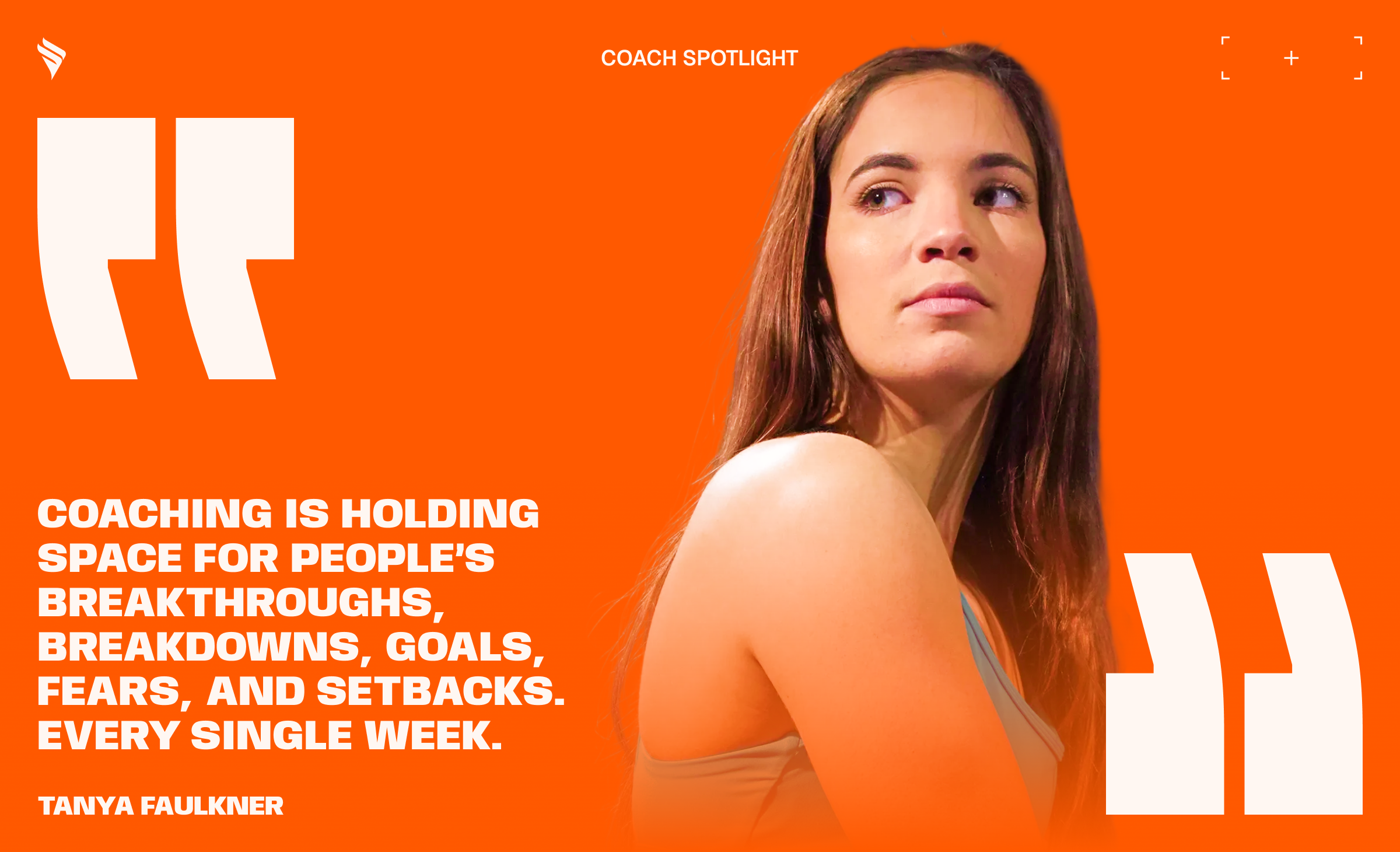
Her clients feel safe with her every week, safe enough to open up about life. Even those around Tanya notice these changes. Many expect transformations to be dramatic weight loss, but Tanya knows the biggest shifts are quiet: mindset, confidence, and a healthier relationship with self.
That level of trust starts with how Tanya shows up for herself. She’s guided by her own coaches and supported by a partner who believed in her long before she stepped into this career. Now, she brings that same belief to her clients, meeting them where they are and backing them fully, every step of the way.
Alexander Kharadi: Retention starts with self-awareness.
Alex believes coaching isn’t about giving answers. It’s about building self-awareness. It’s about helping them stay true to themselves. When clients understand why they train, eat, and show up the way they do, the work becomes sustainable. It carries into their daily choices, their mindset, and how they navigate life outside the gym.
From the beginning, Alex listens deeply because every client has a different story, and staying present means meeting them where they actually are, not where a template says they should be.
Many people come into coaching expecting answers. Alex challenges that. He creates space for clients to explore their own thoughts, uncover clarity, and take ownership of their journey. His role isn’t to dictate the path; it’s to hold up a mirror to what clients already knew deep down and support them as they act on it.
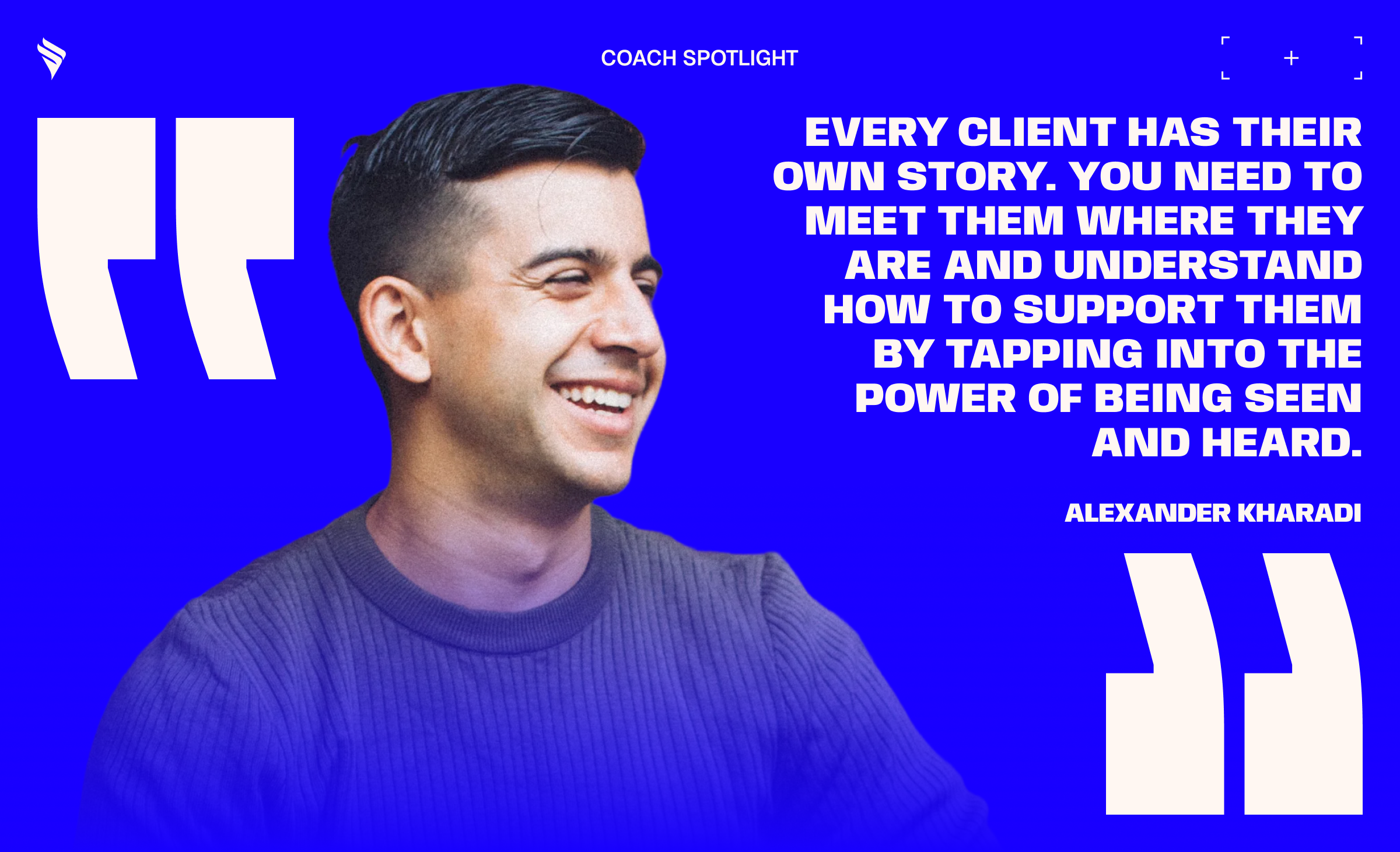
That sense of ownership is what keeps people engaged. Clients who feel seen and heard don’t just follow instructions. They commit. They stay consistent because the process makes sense for them, not because someone is watching.
For Alex, presence means listening long enough for clients to find their own direction and supporting them as they carry it forward, well beyond the session.
Jane Hinton: When honesty and compassion take over
- Business: Elite Body Labs – By Jane
- Niche: Personal Trainer/ Online Transformation Coach
Honesty, compassion, and high standards are at the heart of Jane’s coaching.
One of Jane’s proudest moments came from watching a client transform her confidence, not just her physique. That shift took time and wasn’t one-sided. It happened because both of them showed up. The client’s commitment, resilience, and openness matched Jane’s guidance, structure, and honest support. It became a partnership where trust ran both ways.
That experience reinforced what she believes deeply: the best results are never created by a coach alone. They’re built when two people trust the process and lean on each other.
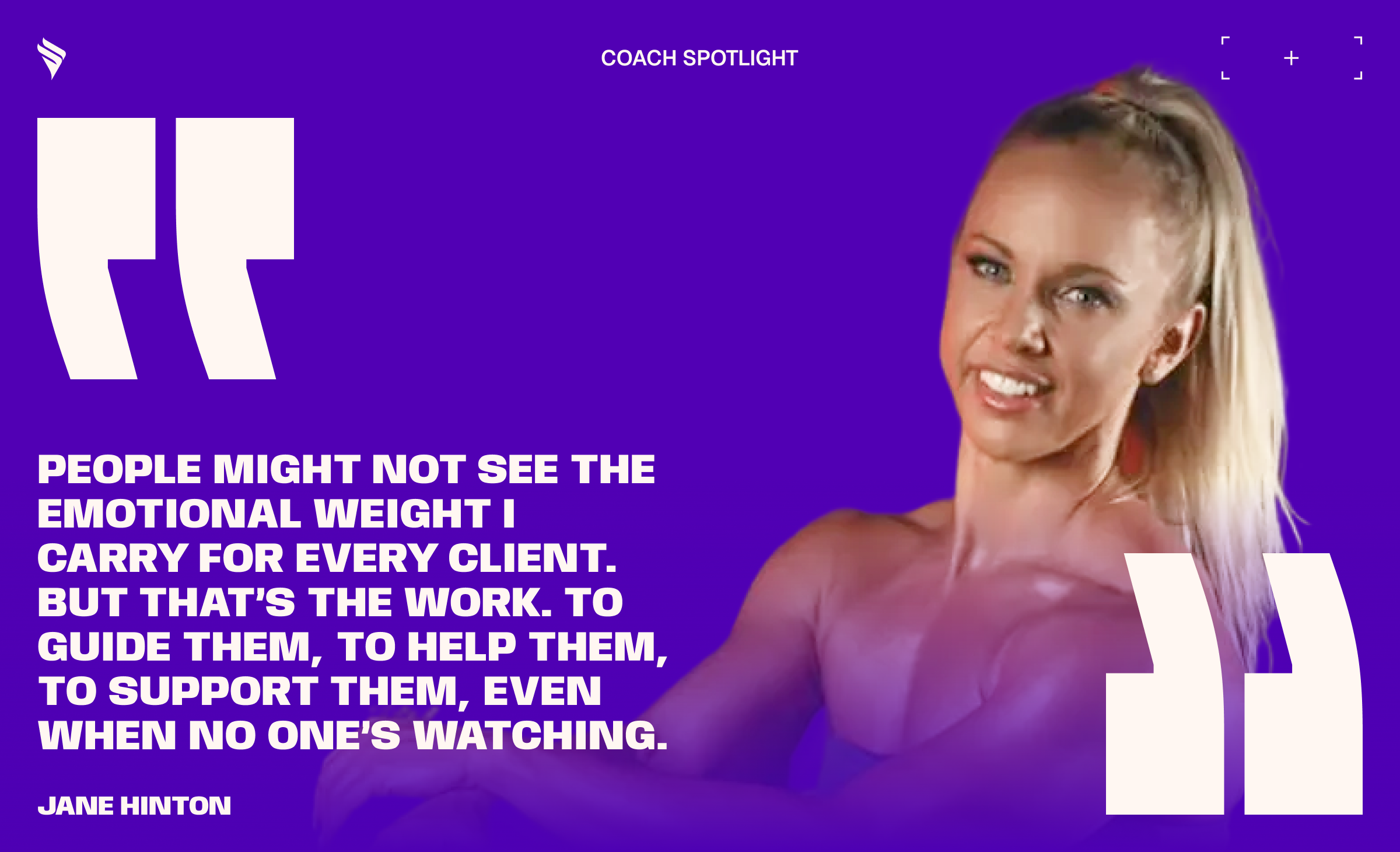
What keeps clients with Jane goes far beyond programs and check-ins. Behind the scenes, she’s constantly thinking about how to better support someone, guide them through a setback, or help them believe in themselves again.
Even when no one’s watching, that care is felt. She offers steady, calming confidence and energy that lifts the room. It doesn’t just change looks; it helps clients grow into who they’re becoming.
Mike Logan: Train the body. Strengthen the mind
Fifteen years after coaching a client, Mike Logan found himself coaching that client’s mother. It was a full-circle moment in life and a perfect reflection of how much relationships matter in his work.
Retention happens when people feel seen, supported, and genuinely understood. That sense of safety is what keeps people coming back and makes them comfortable enough to recommend him to others.
Mike helps clients understand that fitness isn’t built on perfect gym sessions. It’s built in the small moments that survive real life: taking the stairs, choosing a better option when eating out, and showing up even when motivation is low. Those things stick because they’re realistic.
Over time, clients start to see fitness differently. Even on days filled with self-doubt, training becomes an act of self-respect. The focus shifts from comparison to personal growth: you versus you. And when that shift happens, people don’t just stay consistent. They stay connected.
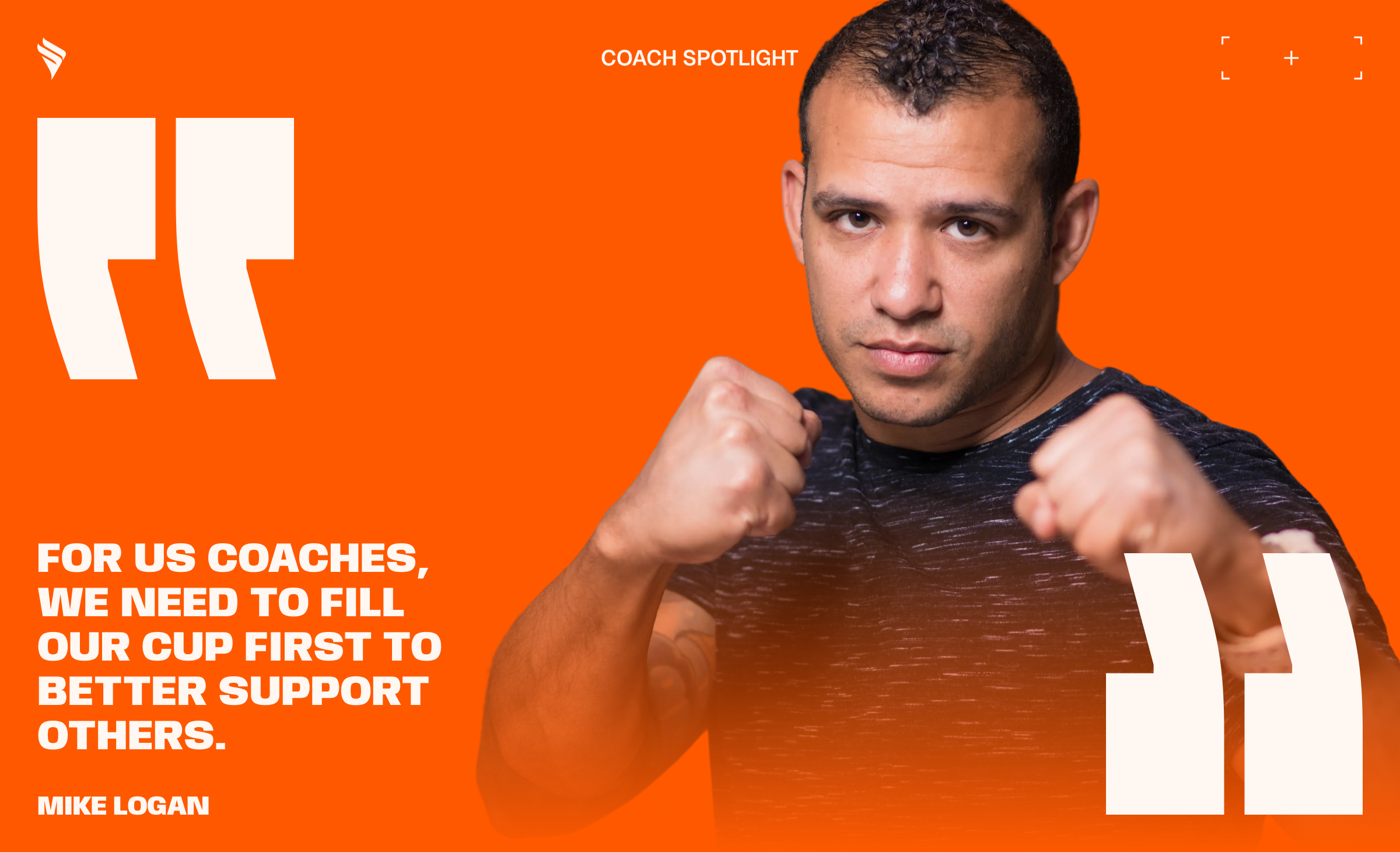
But as a coach, Mike also fills his own cup so he can support others better by staying humble, grateful, and passionate about the work. Daily mindset practices like morning journaling and affirmations help him stay grounded, regardless of what’s happening around him.
That steadiness is felt by his clients. It’s why relationships last. It’s why one client becomes two. And it’s why Mike’s coaching doesn’t just build results. It builds trust that carries forward.
Retention beyond the sessions
Different coaching styles. Different approaches. One shared truth: the coaches who retain clients are deeply present.
Retention isn’t about keeping clients with a coach forever. It’s about building momentum that carries on even after sessions end. Presence creates trust, safety, and belief, helping clients stay committed to themselves rather than just to the program.
When coaches show up fully, clients don’t feel managed. They feel backed. They open up, break mental blocks, and keep moving forward because the process fits their life. That’s when consistency becomes natural, not forced.
👉 Part 1: Why programs alone aren’t enough anymore.
👉 Part 3: Why Niche Coaching isn’t limiting. It’s an advantage.
👉 Part 4: Pressure doesn’t test the plan. It tests the coach.