
In winter sports, coaching goes far beyond physical preparation.
It’s about building mental resilience in the face of pressure. It’s about preparing athletes to adapt when the weather conditions shift, when routines are disrupted, and when performance hinges on a single moment. It’s about managing unpredictability on the mountain, on the ice, and in the mind.
In this spotlight, we’re featuring three winter sport coaches with distinct approaches to shaping a winning season. Because the road to the podium isn’t solo. It’s built on trust, strategy, and the right coach behind the scenes.
Carolyn Williams: “Training on the ice needs variability.”
- Business: NEVE MOVE
- Niche: Mountain Sports Coach
- Instagram | Everfit Marketplace Listing
Carolyn came to coaching through years spent in alpine environments, combined with a background in education and movement training. Early on, she noticed a pattern: many mountain athletes had strong lungs and solid gym strength, but lacked the joint control, durability, and movement quality needed for long days on changing terrain.
That’s where her focus shifted.
Carolyn designs training that prioritizes tissue strength, joint stability, and efficient movement. Her approach is shaped by the unpredictable nature of the mountains. By building flexibility and variability into training, she prepares the whole body to adapt:
- Strength through full ranges of motion, unilateral loading, and multi-planar stability to support smart decision-making under fatigue.
- Proprioception, balance, and foot-to-hip integration so athletes can handle uneven terrain, low visibility, and constantly changing snow conditions.
It’s not about looking strong in the gym, but being adaptable on the snow.
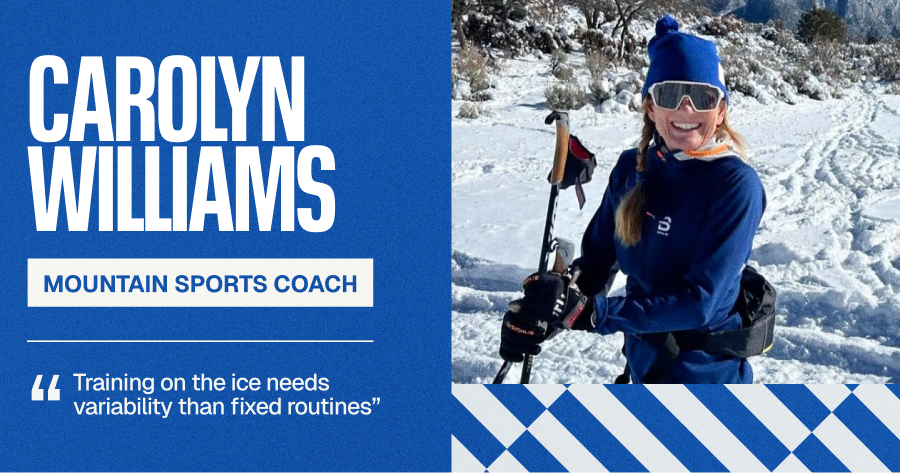
One of her proudest moments was guiding an athlete through the demanding Power of Four ski mountaineering race. The real success wasn’t just the finish. It was seeing the athlete show up prepared, durable, and confident in complex terrain
During peak season, her approach shifts. Volume decreases. Strength work becomes intentional and efficient. Recovery, mobility, breathing, and nervous system work are built into the plan, not added as an afterthought. The goal is to sustain performance while minimizing injury risk and accumulated fatigue.
And when setbacks happen? Carolyn treats them as part of the process. Training adjusts. Confidence rebuilds. Progress continues.
Katie Prendergast: “Strength is the foundation to stay longer in the sport.”
- Business: KPX Fitness
- Niche: Strength Training & Sport Performance for Skiers & Snowboarders
- Instagram | Everfit Marketplace Listing
Katie’s connection to winter sports started early, snowboarding with her school ski club in Ohio. After college, she moved to Colorado to be closer to the mountains. When she began working as a personal trainer in Denver, training skiers and snowboarders simply made sense.
For Katie, strength training is its own skill, independent of skill on the mountain.
Many athletes come to her with years, even decades, of skiing or snowboarding experience, but very little experience following a consistent strength program. That’s why she builds every training plan around an athlete’s “lifting age,” or how much time they’ve spent training for strength.
If they’re a beginner, they start with the basics.
If they’re advanced, they continue refining those basics while layering in more complex strategies.
Snow conditions, terrain, and competition formats don’t change that approach. The foundation remains the same.
Katie believes strength training isn’t a replacement for laps on the mountain, but it is what allows athletes to progress. When athletes feel strong, they push themselves harder. And as she puts it, “stronger things break less,” meaning fewer injuries and more seasons participating in the sport they love.
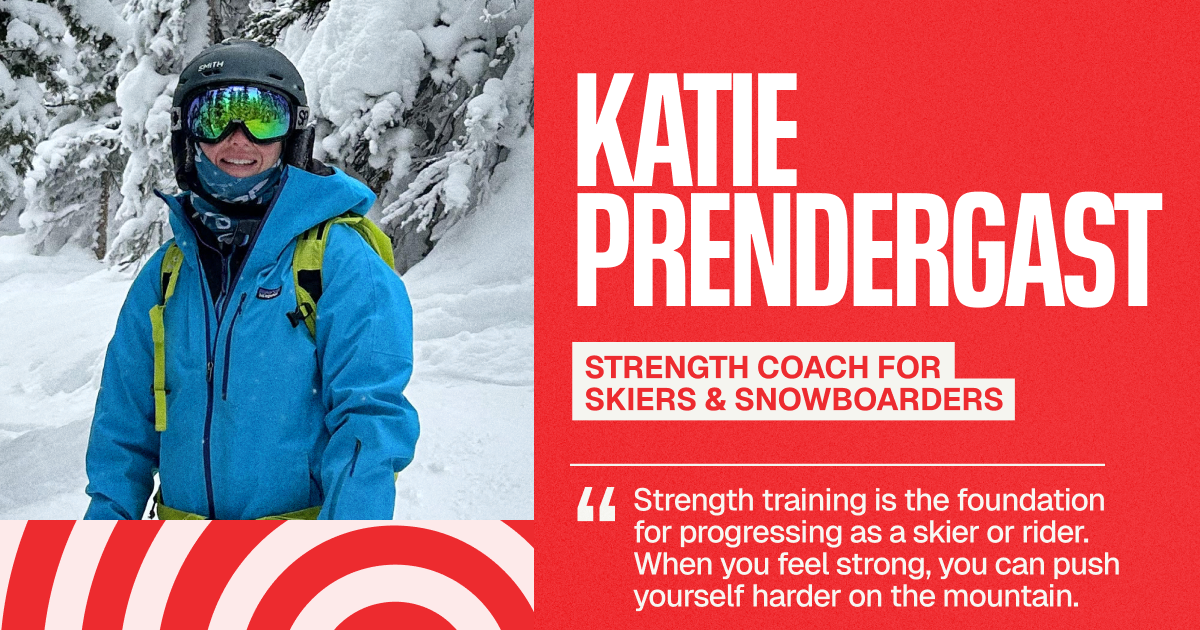
During preseason, athletes typically begin strength training in October, giving about three months to build a solid base before January’s peak season. This phase focuses on developing strength while incorporating sport-specific power, speed, and agility. For backcountry skiers or splitboarders, additional conditioning is layered in to prepare for uphill skinning.
Once the season is in full swing, volume decreases. Instead of three to four sessions per week, athletes shift to two, often Tuesday and Thursday, allowing adequate recovery around full weekends on the mountain.
When setbacks or injuries happen, Katie understands the mental side can be harder than the physical injury itself. As an athlete who has experienced injuries firsthand, she knows the frustration of feeling sidelined or worried about losing progress.
Her approach is simple: focus on what the athlete can do. Whether that’s training upper body, performing injury-specific physical therapy drills, or refining movement patterns, she prioritizes rebuilding strength and confidence step by step. In person, she slows movements down and corrects what feels “off.” For online clients, she reviews training videos post-workout to provide detailed movement feedback.
For Katie, the proudest moments aren’t podium finishes. They’re the messages from athletes saying they had an incredible day on the mountain and could feel how strong they were.
Amber Leigh: “Durability in physical and mental.”
- Business: Amber Leigh Training
- Niche: Strength Training for Mountain Athletes
- Instagram | Everfit Marketplace Listing
Amber Leigh’s path into coaching started with her own love for the mountains. Like many winter athletes, she’d spend the off-season training hard, only to find that she couldn’t last full days and packed weeks on the slopes.
So she changed her approach.
After adjusting her own training and feeling a huge difference, she helped friends and clients do the same. The result? Longer days, safer seasons, and a lot more fun on the mountain.
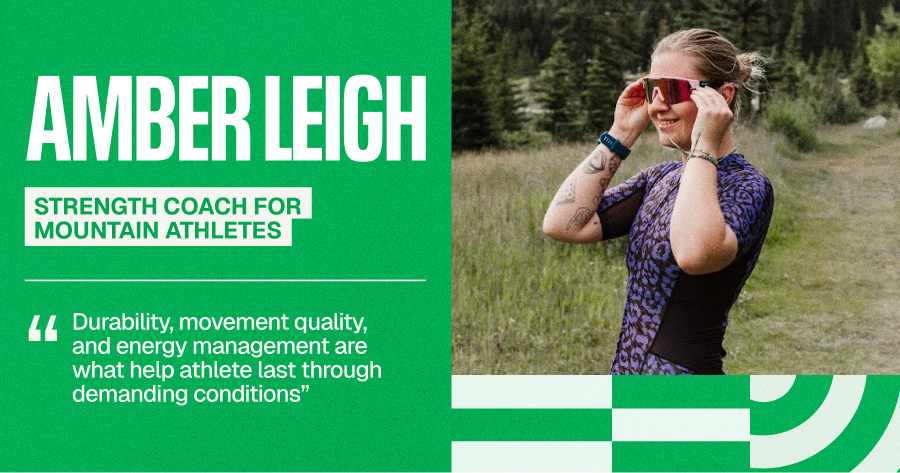
Amber’s programs focus on durability. Expect plenty of unilateral movements, impact training, and smart “damage control” work to reduce injury risk. The goal isn’t just performance, it’s staying strong all season long.
For Amber, the proudest moments are simple: when a client finishes their first day of ski trip and says, “My legs still feel as fresh as day one.”
Her clients also receive lifestyle coaching alongside their gym work, helping them build balance, recovery habits, and mental resilience both on and off the slopes.
During peak season, training shifts to support time on the hill, more recovery-focused, controlled, and impact-aware. Off-season is where strength and endurance are built.
Wrapping Up
Carolyn builds adaptable athletes who can handle the unpredictability of the mountains.
Katie focuses on strength as the foundation for confidence, progression, and longevity in the sport.
Amber trains durability so athletes can show up strong not just on day one, but all season long.
Different methods, shared purpose: helping athletes stay resilient, prepared, and ready for whatever winter throws their way.
Medals may be won on the ice, but they’re built under pressure, steady guidance, and countless hard sessions long before competition day.
Also read: