
Most coaching problems aren’t programming problems; they’re context problems.
The moment a coach stops asking “What’s the best plan?” and starts asking “Who is this plan actually for?” everything changes. Engagement improves. Trust deepens. Clients stop dropping off when life gets messy.
In Part 3 of our Coach Spotlight series, we’re highlighting coaches who don’t force people into systems. They adapt their coaching to the realities, limitations, and lived experiences of the clients they serve, and that’s exactly why their clients stay.
👉 Part 1: Why programs alone aren’t enough anymore.
👉 Part 2: Retention isn’t a metric. It’s a relationship
👉 Part 4: Pressure doesn’t test the plan. It tests the coach.
Landri Peden: Coaching beginners who need safety before intensity
- Business: Alien Strength HQ
- Niche: Beginner Fitness & Hormone-Smart Weight Loss Coach
For Landri, coaching beginners isn’t about pushing harder; it’s about creating an environment where people feel safe enough to stay.
Many of her clients come in carrying years of shame, frustration, and the belief that their bodies are “broken.” They’ve tried extreme dieting, overtraining, and perfectionism, and burned out every time. Landri adapts her coaching to meet them at that exact starting point.
She removes the pressure to be perfect and replaces it with consistency, education, and compassion. Workouts don’t need to be smashed. Macros don’t need to be hit to the gram. Showing up is the win.
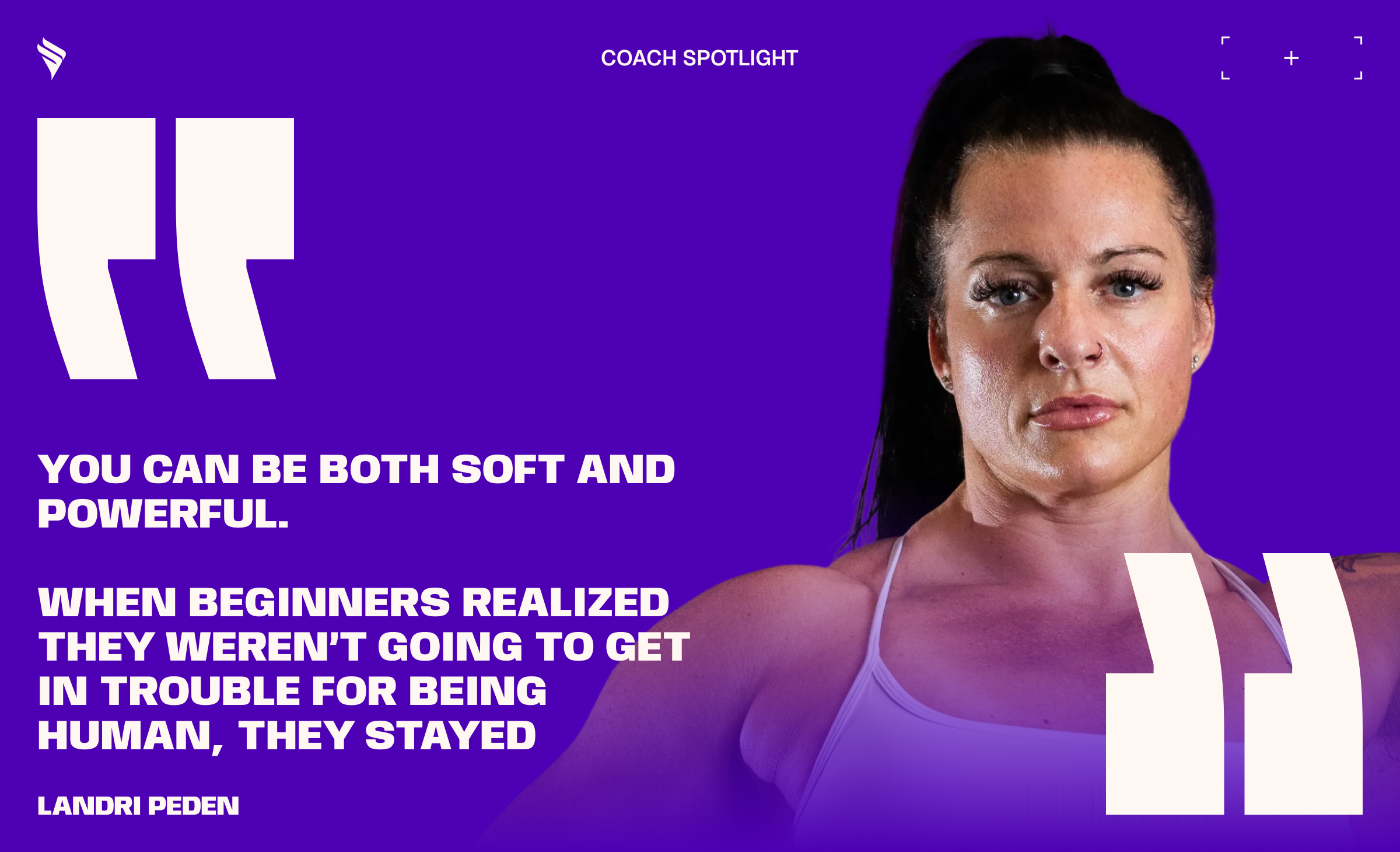
Landri also adapts her coaching by using data to remove self-blame. Instead of obsessing over daily scale weight, she tracks sleep, stress, cycles, and training load. When emotion is replaced with patterns, shame disappears, and clients finally understand that their bodies are communicating, not failing.
Her niche requires patience, clarity, and leadership, and Landri delivers all three. Looking ahead, her goal is simple but powerful: help clients rebuild trust with their bodies so they feel strong, capable, and proud — not stuck in fear or constant self-fixing.
Orestis Cannes: Coaching through education and independence
- Business: Orestis Cannas Coaching
- Niche: Science-Based, Outcome-Oriented, Online Fitness Coach
- Everfit Marketplace Listing
Beginners and busy clients with little time for themselves are often the most influenced by online advice and fitness myths.
Orestis starts by listening.
He puts himself in the client’s shoes to understand their current situation and level of knowledge. From there, he creates structure to help them build confidence and independence, knowing what’s fact and what’s noise.
Two principles guide his coaching.
The first is education. Not surface-level explanations, but clear, evidence-based guidance delivered in ways people can truly understand. Orestis creates resources that support different learning styles, whether visual, audio, or written, so clients aren’t left guessing or overwhelmed.
The second is practicality. “A science-based approach doesn’t work if it isn’t applicable to daily life,” he explains. Training needs to make sense not just in theory, but within real schedules, real bodies, and real responsibilities.
That balance shows up in how he programs. By emphasizing “an optimal number of sets per week“, Orestis helps clients achieve strong results without unnecessary volume or burnout. It’s efficient, intentional, and grounded in research, delivered with patience and flexibility.

One moment that stayed with him was receiving a handwritten card from a client congratulating him on his graduation from Loughborough University. A quiet reminder that trust had been built, not just in the gym, but along the journey.
Orestis continually studies and refines his approach because he recognizes that each person is unique. His key takeaway is that adaptability, rooted in knowledge, enables him to meet every client at their individual starting point.
Clement McKnight: Structure for youth & combat athletes who need stability
- Business: Hybrid Wolf Fitness
- Niche: Combat Sports & Youth Performance Coach
- Website
For Clement, coaching young athletes isn’t just about building strength or endurance. It’s about teaching discipline, self-control, and self-respect, the foundations of a winning mindset.
He doesn’t just show up as a coach; he shows up as a mentor. Always present. Always consistent. Always managing expectations so nothing falls through the cracks. That reliability creates trust, especially in environments filled with pressure and noise.
Most importantly, Clement remains calm. His steadiness becomes an anchor, helping athletes stay focused and confident, even when emotions run high. He teaches them to take responsibility, to correct themselves, and to stay composed long before results appear on paper.
Progress, in Clement’s eyes, is visible when athletes learn to control what they can control.
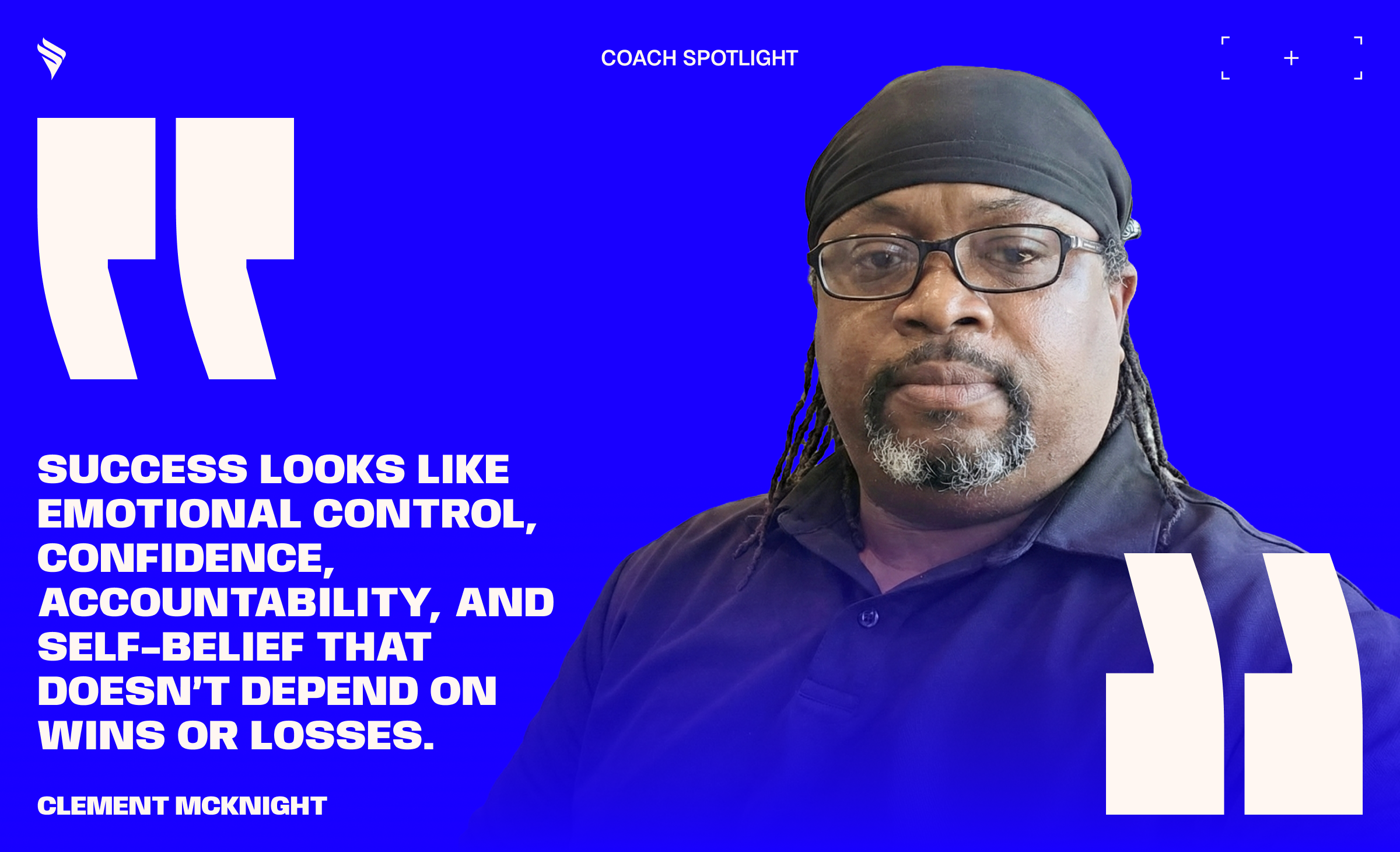
When a young athlete told Clement that training was the only place they felt consistent and supported, he was reminded that coaching young people often means offering stability first, even in competition. When life feels chaotic, athletes need structure more than medals, and someone steady enough to hold it for them.
Kevin English: Rewriting fat loss after 50
When it comes to weight loss, most people think of eating less, working harder, and doing more cardio. For clients in their 50s, that approach is no longer suitable.
Kevin’s coaching starts by challenging that belief. He helps clients understand that rebuilding and optimizing metabolism matters far more than crash dieting at this stage of life. After 50, the goal isn’t just to lose weight. It’s to build muscle, protect health, and burn fat in a way that lasts. Kevin calls it a no-nonsense, health-first approach to sustainable fat loss.
He doesn’t overwhelm clients with rules or promises. Instead, Kevin sets clear expectations and reinforces them through consistent, caring communication, keeping the focus on what clients can control. Strength training, recovery, and steady habits become the priorities, even when stress, injuries, or life interruptions arise.
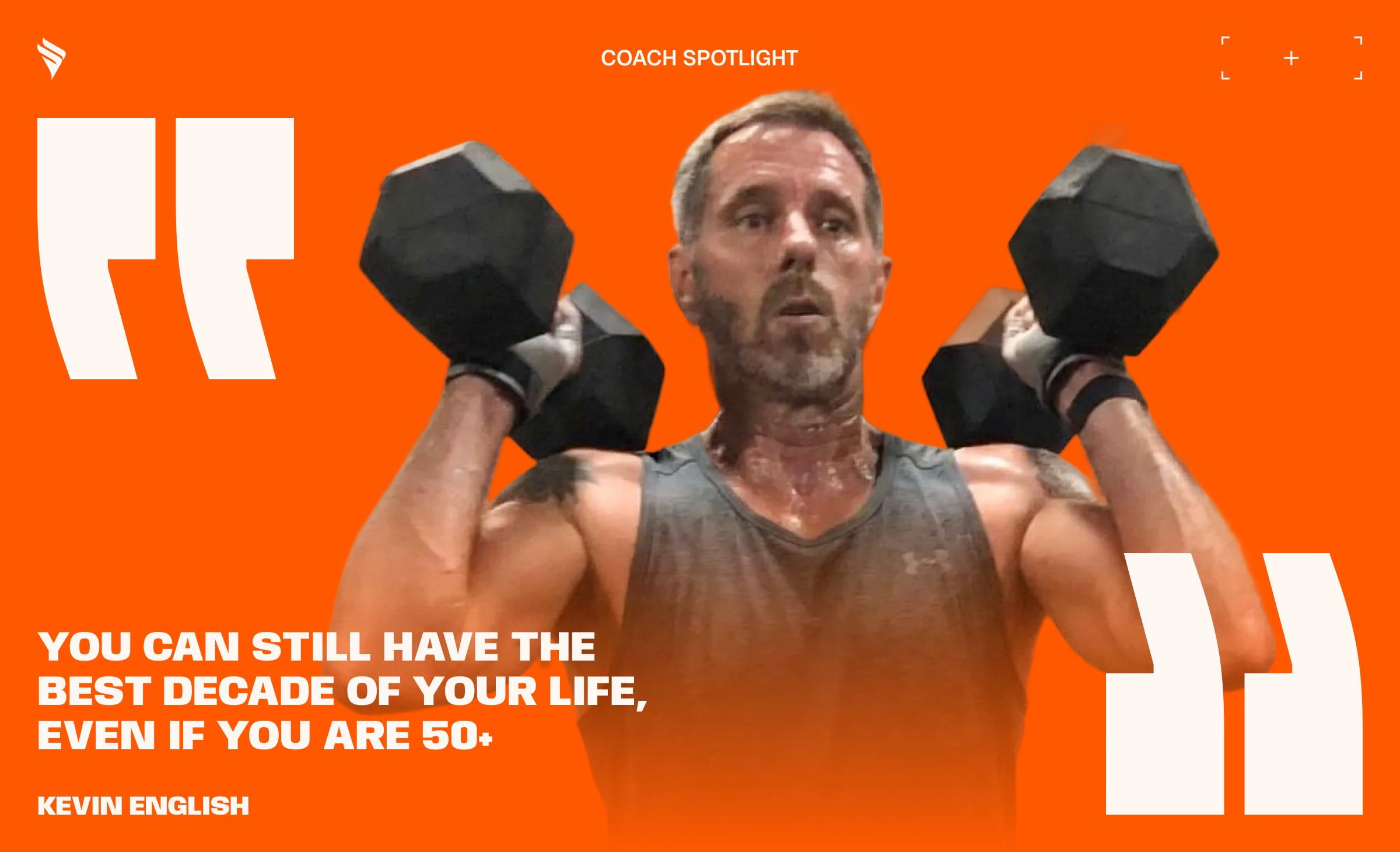
Before the scale ever reflects progress, Kevin wants clients to feel it. Improved mood. Growing confidence. A sense of strength is returning. Those early signals help clients commit to the process and stay consistent long enough for results to follow.
What Kevin is most proud of is what his clients prove to themselves: that building lean, strong, healthy bodies after 50 isn’t “all downhill from here.” It’s possible. And it can be empowering.
Nya Thornton: Building confidence through challenge & community
- Business: Warrior 1 Training LLC
- Niche: Kickboxing Instructor & performance coach
For Nya, adaptability shows up in one simple way: being willing to try something new with your clients.
He brings a genuine, down-to-earth energy into his coaching, and his clients feel it immediately. When people train with Nya, they’re not just following instructions; they’re invited to explore what their bodies are capable of, often beyond what they believed was possible.
One moment captures this perfectly. During a warm-up before a kickboxing session, a client casually mentioned she had never done a full push-up. Nya challenged her to try. She dropped down and did five. What surprised them both wasn’t just the strength gain, but the realization that progress had been happening quietly all along.
That curiosity began to spread. Clients started asking about movements they saw online, calisthenics skills that looked impossible. Even though not very experienced in calisthenics, Nya would try them first. Handstands. L-sits. Frog pose. More often than not, his clients tried too, surprising themselves in the process.
Those moments shaped his coaching philosophy: when fear is removed, possibility expands.
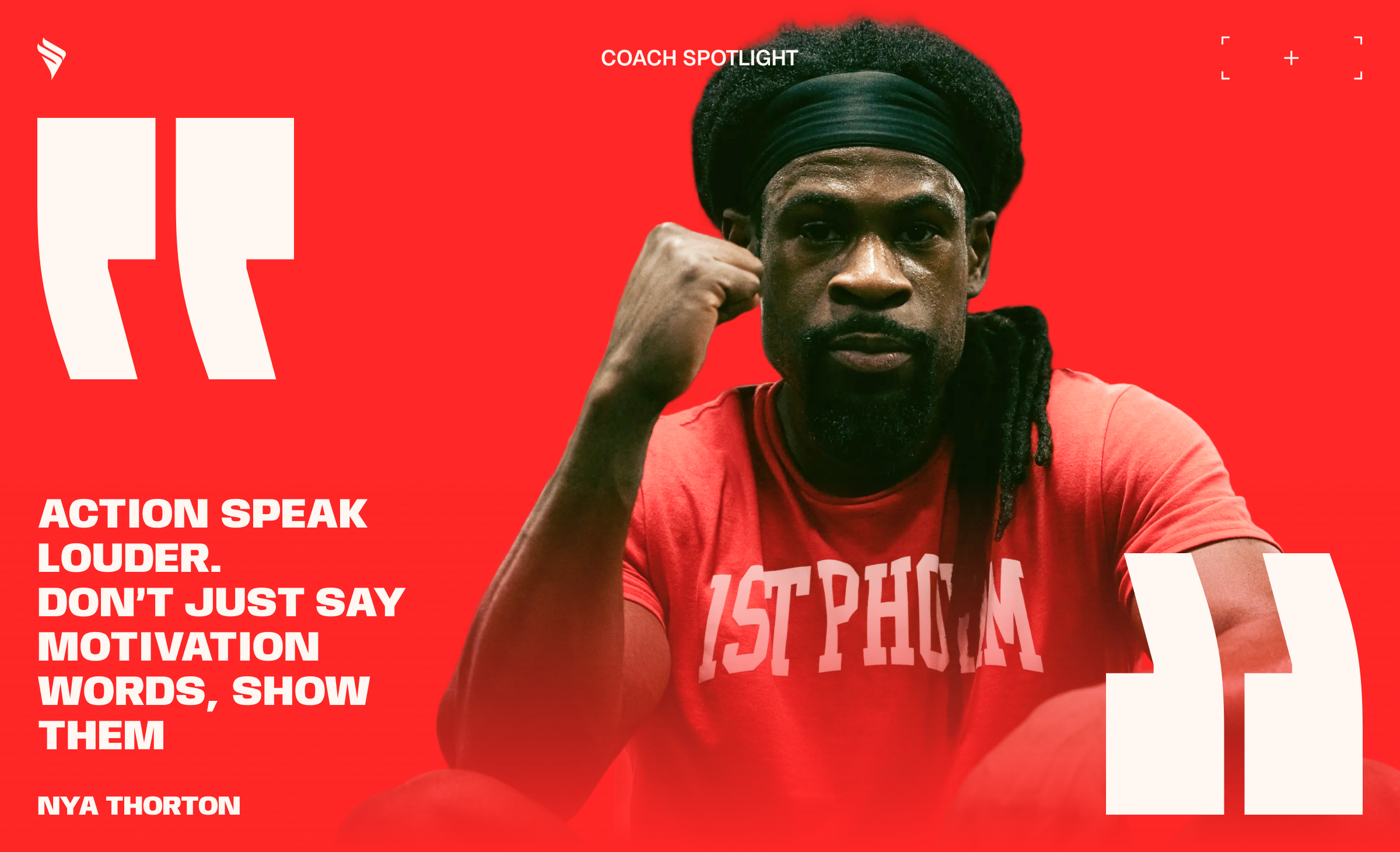
Over time, individual goals aligned into something bigger. Nya built a community where shared effort, encouragement, and curiosity fuel progress together. Behind the scenes, he pours heart and energy into creating an environment where people feel supported, challenged, and proud to show up.
For Nya, adaptability is staying open. It means welcoming new ideas without hesitation. When a coach isn’t afraid to explore something new, clients stop being afraid, too. That shared openness transforms growth—from feeling rigid to feeling possible.
Will Brown: Coaching busy professionals who need flexibility
- Business: Zen Flow Fitness
- Niche: Online Fitness & Yoga Trainers
- Instagram | Everfit Marketplace Listing
Will Brown coaches people who already know how to succeed. His clients are driven, capable, and accomplished in their careers, but health is often the one area that hasn’t kept pace. Not because they don’t care, but because traditional fitness models don’t match the reality of their lives.
What defines Will’s approach is his C.A.Y.A. method: Come As You Are.
Rather than expecting clients to arrive motivated, energized, or perfectly consistent, Will builds systems that meet people in their current state. His coaching challenges clients to motivate themselves, adopt a growth mindset, and take ownership, while providing the structure and clarity needed to make that possible.

That distinction matters deeply for his niche. Busy professionals don’t need hype or pressure; they need a clear path they can actually follow. Will adapts his coaching by offering multiple modalities and creative programming that make training accessible, flexible, and sustainable. Sessions are adjusted to client needs in real time, while still maintaining a consistent structure that supports long-term progress.
This balance, meeting clients where they are while guiding them toward what they need, is central to how Will builds trust and engagement. His clients often arrive overwhelmed or disconnected from their health, but through structure and accountability, they begin to rebuild confidence. That confidence doesn’t stay confined to fitness; it carries into other areas of their lives.
A major win for Will this year was refining his business around this exact niche, clarifying his ideal client, building trust with new audiences, and showing up authentically while still delivering real transformations. His adaptability isn’t reactive; it’s intentional. It’s designed around the understanding that success looks different when life is full.
For Will and Zen Flow Fitness, adaptability means honoring reality without lowering standards. Health isn’t something clients need to earn time for; it’s something that must fit into their lives as they are. That’s what turns short-term effort into long-term commitment, and why flexibility, for this niche, isn’t a bonus. It’s the foundation.
Wrapping Up
Across different ages, goals, and life stages, these coaches share one core belief: progress starts when people feel understood.
Adaptability, in their work, isn’t about changing the plan constantly. It’s about adjusting how they listen, communicate, and lead, so clients feel safe enough to stay consistent and confident enough to grow.
Different clients. Different journeys.
Same truth: when coaching meets people where they are, progress lasts.
👉 Part 1: Why programs alone aren’t enough anymore.
👉 Part 2: Retention isn’t a metric. It’s a relationship
👉 Part 4: Pressure doesn’t test the plan. It tests the coach.