
Staying ahead of fitness trends keeps personal trainers competitive and in demand. As new technologies, training styles, and client expectations emerge quickly, knowing what’s coming lets you adapt, retain clients, and grow with confidence.
Let’s break down the top coaching trends for personal trainers to watch in 2026, backed by industry reports and real data.
💪 Jump into sections if you need a quick read:
- Trends in fitness technology that make data-driven coaching
- Trends in training demands. What clients are expected in 2026?
- Trends in coaching formats. What models are gaining traction, besides the online and hybrid coaching?
Fitness Technology and Data-driven Coaching
For years, technology has made training and tracking faster and more convenient. In 2026, the focus shifts to being data-driven. How can coaches use technology for data-backed analysis and decisions? How can they simplify daily tasks and increase retention?
Trend 1: Wearable technology
Almost half of U.S. adults own a fitness tracker or a smartwatch. These wearables now track heart rate, sleep, blood pressure, glucose levels, steps, and activity levels.
As clients rely more on this data for self-monitoring and accountability, coaches have a huge opportunity to turn these insights into smarter, more personalized plans.
💪 How to adapt to this fitness technology trend:
- Use coaching platforms that sync with major wearables (Apple Health, Google Fit, Garmin, Fitbit) to automatically pull client data. Choose ones that also analyze trends and generate clear reports, like Everfit.
- Regularly review recovery scores, sleep, and activity data to fine-tune training and nutrition plans with precision.
- Set habit and wellness goals in addition to training goals. For example, aiming for 8 hours of sleep to support muscle recovery and performance.
Trend 2: Fitness Mobile App
A quick Internet search gives general health advice; a mobile app provides on-demand, personalized workouts and guidance tailored to client goals. That’s the real advantage.
This trend applies to more than online or hybrid coaching. Mobile apps connect trainers and in-person clients between sessions, supporting accountability, habit-building, and consistent progress outside the gym.
💪 How to adapt to this coaching technology trend:
Go for the personal training and fitness coaching platforms that can help you:
- Offer an on-demand library of workouts, guides, and meal plans, giving clients flexible options whenever they need them.
- Use custom branding features to turn the app into your own, displaying your logo, name, and colors. This delivers a premium, exclusive experience.
- Supporting goal-setting and habit-forming tools, along with progress tracking, can sustain engagement
With these features, Everfit coaches have successfully scaled their business to 6 figures. Many clients worked with them for more than 6 months to years, moving from high-ticket to low-ticket packages, using the on-demand library.
Trend 3: Artificial Intelligence
AI is advancing quickly, but won’t replace personal trainers.
AI can generate quick programs, but a real coach can customize plans to a client’s needs and provide actual accountability that AI cannot. The personal touch is irreplaceable.
But your clients will likely use AI for quick fitness tips. The best move? Treat AI as your assistant, not your competition.
💪 How personal trainers can adapt to this coaching trend:
- Let AI analyze client data and surface patterns you may not spot right away.
- Use AI to suggest alternative workouts or recipes for fresh, flexible plans.
- Automate tasks like messages, reminders, and check-ins to engage clients without constant manual follow-up.
- AI helps predict trends and flag at-risk clients early, reducing churn and boosting client retention.
- AI can also be great for marketing & promotions. Something trainers aren’t always strong at.
Some fitness coaching platforms, like Everfit, use AI to automate manual logging during programming or recipe creation. You paste your draft, a link, or a PDF. Everfit AI will then log them into the app for you, speeding up the process while keeping a personal touch. It is a prime example of using AI the right way.
Trend in Training Demands
Training today isn’t just about lifting heavier or chasing a “perfect” physique. More clients are seeking a balanced mind–body approach and holistic coaching that supports long-term health, according to the latest ACSM survey of over 2,000 fitness professionals.
Trend 4: Holistic wellness and longetivity
Instead of focusing only on strength or aesthetics, clients are seeking programs that help them feel better, age better, and live better.
This means coaching is expanding to include sleep, nutrition, habits, stress management, and recovery, creating a more complete and sustainable approach to personal training.
💪 How to adapt to this personal training trend:
- Offer nutrition and lifestyle coaching add-ons, such as meal plans, recovery routines, or mindfulness practices, to support clients’ progress outside the gym and help them achieve better results inside the gym.
- Integrate habit-based coaching with customized habits for sleep, hydration, mood, energy, and stress management to build long-term consistency.
- Provide nutrition guidance, wellness check-ins, or educational content to increase program value, deepen client relationships, and boost retention.
Also read:
- How to integrate holistic practices into your coaching & enhance client wellness: Insights from real coaches
- Crafting Personalized Nutrition Plans: A Coach’s Comprehensive Guide to Tailored Success
- Leveraging Sleep and Heart Rate Data to Enhance Client’s Well-being
Trend 5: Exercises for mental health
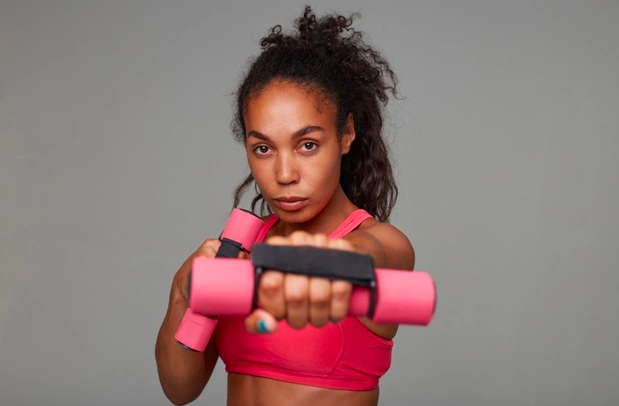
Each year, around 1 in 5 U.S. adults experiences a mental health condition. And 78% of surveyed exercisers say they work out primarily for mental or emotional well-being, not aesthetics or performance.
Different training styles also offer unique mental health benefits:
- Resistance training can reduce depressive symptoms.
- Low-intensity, mindfulness-focused sessions, such as yoga or mobility flow, support stress relief and emotional grounding.
This aligns naturally with the broader shift toward holistic coaching. But many trainers still frame workouts only around physical changes, missing the long-term mental health value clients actually care about.
💪 How personal trainers can adapt:
You don’t need to change your niche, just expand how you support your clients.
- Integrate light movement on rest days, such as walking, stretching, or mobility sessions, to promote daily mental well-being.
- Exercise that gets people outdoors is great for mental health.
- Use check-ins to track trends in energy, stress, and mood over time.
- Reframe the benefits of your existing program by highlighting how each workout style supports mental health, resilience, and emotional balance.
Also read: 3 Simple Ways To Automate Check-ins For Personal Trainers
Trend 6: Functional fitness training
This style focuses on core strength, mobility, and endurance movements that translate directly into daily life. This helps clients move with greater control, feel stronger and more stable, improve posture, and reduce injury risk for any activity.
Another advantage of functional training is its versatility. It works for youth, adults, older clients, and athletes alike, and it fits naturally into individual sessions, group classes, or hybrid coaching models. Instead of chasing aesthetics or maximum volume, the emphasis shifts to movement efficiency, joint health, and long-term functional capacity.
💪 How personal trainers can adapt:
- Blend functional movements into strength and hypertrophy programs to improve mobility and reduce compensations.
- Use mobility and corrective exercises during warm-ups or cooldowns to prep joints and enhance recovery.
- Incorporate HIIT or metabolic conditioning circuits for clients who need cardio with a functional edge.
- Educate clients on how these movements support daily activities (lifting, carrying, bending, and balancing) to build long-term value and retention.
- Prioritize movements with weights over machine-based routines.
Trend in Coaching Formats
How trainers can adapt and diversify their offerings to reach more clients effectively.
Trend 7: Community-based Fitness
Clients are craving connection, accountability, and shared progress, not just solo workouts. Group coaching programs, bootcamps, and online communities (on Discord, Facebook Groups, or inside coaching apps) give people a sense of belonging that keeps them engaged longer.
Challenges, transformation programs, and gamified elements such as badges, streaks, and leaderboards add motivation. They make training feel fun and social. For coaches, community-based models allow them to support more people at once, boost retention, and increase referrals.
💪 How to adapt to this personal training trend:
- Create targeted groups with a shared goal to tailor content and challenges. Large, mixed-goal groups often lose engagement and closeness.
- Build a private, supportive online community where clients feel comfortable sharing.
- Use fitness challenges to attract clients so they can try your coaching before committing to a full program.
- Choose a platform with built-in gamification features, such as leaderboards and streaks, to engage clients.
Many fitness platforms have community or group messaging, like mini social media. Everfit is the first to offer challenge leaderboards. The platform also features streaks and viral animal badges that clients collect after workouts.

Trend 8: Fitness programs for senior adults
As the population ages, more adults in their 50s, 60s, and beyond want to stay active, independent, and strong. They aren’t looking for “easy” or watered-down workouts; they want programs that help them lift, move, and live with confidence.
Many older clients are dealing with muscle loss, reduced bone density, mobility challenges, or energy fluctuations due to perimenopause, menopause, or medications like GLP-1 weight-loss drugs. This creates a huge need for strength-focused, personalized training that supports functional movement. What they truly want is not just a workout plan, but a coach who understands how aging changes the body.
💪 If you want to expand your target clients, this is how you can adapt:
- Educate clients on how it supports hormone changes, bone density, posture, and daily function. This builds trust and long-term buy-in.
- Slower tempo work, controlled mobility, and stability drills help clients feel safer and more capable, not intimidated.
- Older adults often recover more slowly. Mix strength days with mobility, low-intensity conditioning, or recovery sessions to keep them progressing sustainably.
Trend 9: Working with special needs clients
The fitness industry has long centered around young, able-bodied adults. But that era is shifting. More clients today live with anxiety, ADHD, chronic pain, neurodiversity, learning differences, or physical disabilities. These clients aren’t “difficult.” They’re underserved. And this is where coaching is evolving fastest.
When someone is struggling mentally, physically, or emotionally, going to the gym is often among the baby steps they take to regain control. Exercise feels like a doorway and the foundation for a sustainable, healthy lifestyle. Trainers who understand this play a far bigger role than just writing programs; they also reform habits.
💪 How to adapt to this personal training trend:
Understand how to create adaptive programs and adjust communication to fit with clients who need more support. For example:
- Clients who struggle with mental health conditions usually have inconsistent energy, sensory overload, fear of failure, or past trauma. They need a training environment that feels predictable, safe, and judgment-free.
- Clients with disabilities or chronic conditions often feel misunderstood or pressured into uniform progress. They need programs that respect pain signals and adapt to their day-to-day capacity. It’s better to provide options in training and let them decide.
Wrapping Up
Personal training in 2026 is moving beyond traditional strength training and physique goals. The trends show a clear shift toward a holistic, long-lasting approach that blends physical strength with better habits, smarter nutrition, improved recovery, and strong mental well-being.
For personal trainers, this evolution opens the door to deeper impact and more meaningful client relationships. Whether it’s using tech for data-driven coaching, offering hybrid or community-based programs, or supporting clients through lifestyle changes, the opportunities to grow are bigger than ever.